Showing posts with label care of jewelry. Show all posts

Wednesday, January 9, 2013

How To Care for Garnets


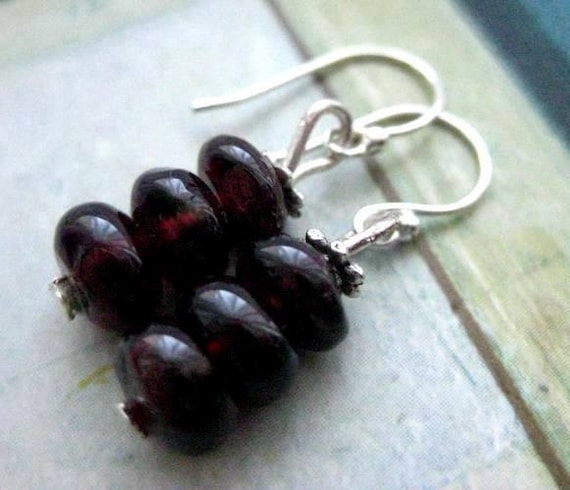
Red Garnet Earrings. Sterling Silver.  January Birthstone. Ruby Berries
deep red garnet earrings


Garnets are the birthstone for January. If you already own garnet jewellery or perhaps were given some for your birthday this month, looking after this stone with some simple steps will keep it in good condition for a long time.


Garnets are medium hard, ranging between 6.5 and 7.5 on Moh's Scale. Though exquisite enough for any special occasion, they are durable for everyday wear with certain care. 


However, you should store them separately to other gems so as to avoid scratching each other.

A harder stone such as diamond or topaz can mark the garnet, which in turn, can scrape the softer stones such as turquoise, opal and fluorite. If you can't store them in their own compartment of your jewellery box, then wrap them in cotton cloth.


As with all gemstone jewellery, put your creams, cosmetics and perfume on first to allow them to dry before donning your garnets. Likewise you should take them off first before removing your make up with cleansers.
 
Do not wear garnets when handling any type of chemicals, including household cleaners or when swimming, in the shower or sunbathing. Avoid excessive temperatures. Store them somewhere fairly cool.
To clean them, generally it is ok to use an ultra sonic cleaner, but please avoid steam cleaning. The safest method is to wash in mild soapy water. It should be lukewarm. This method is good for sterling silver, fine silver and gold too. If the stones are grimy you can use a soft toothbrush on them, but preferably not on the precious metal. Use your fingers or a sponge on the silver and gold. Rinse in fresh water then pat the pieces dry with kitchen paper or cotton.
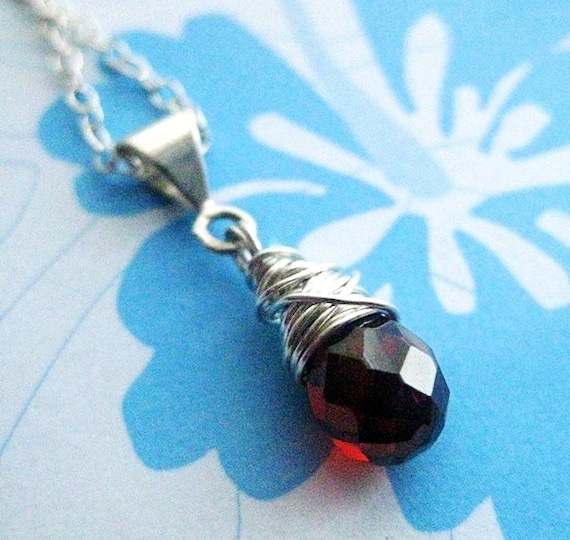
Red Garnet Pendant. Sterling Silver Chain Necklace. Strawberry Wine
Garnet teardrop pendant
Garnets should last a very long time. Some garnet jewellery was discovered in burial chambers dating back to 3000 BC. Their beauty had not faded. So go on, don't hide your garnets,  but wear and enjoy them. 


Thursday, October 25, 2012

Sea Glass and Copper Wire

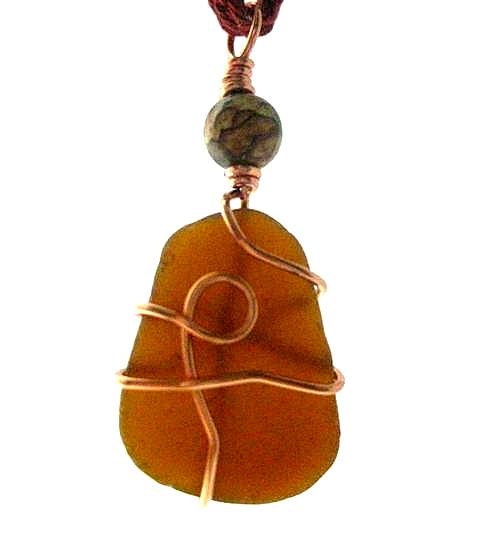
Seaglass & Copper Pendant. Rich Autumnal Reddish Brown. Irish Beach Glass.  Sunset in Dublin
Copper has been used in Irish jewellery for centuries. It is a reddish, brown metal that is a pleasure to work with and beautiful to wear.

Natural copper wire lends a warmer look than silver, and tends to scratch less easily than plated wire when working with it. It is pliable for wire wrapping, yet strong and sturdy, perfect for encasing seaglass. I love it whether it's shiny and red, or whether it has garnered a darker, more rustic patina with time.

I've just listed this russet-brown seaglass pendant on Etsy. I found the frosted glass on a beach in Dublin. The rich, autumnal colour works really well with the warmth of the copper wire.

Right now the metal is bright and shiny. It will slowly gain a darker patina. This is a natural occurrence known as oxidation.


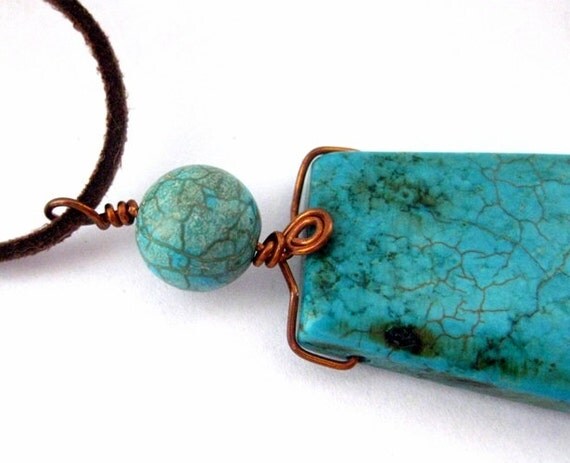
Long Turquoise Stone Pendant Copper Wrapped. Adjustable Necklace. Blue and Brown. Temptress
This turquoise stone pendant is wrapped in pre-oxidised copper wire. It has a more rustic or vintage feel to it.

Brightening untreated copper is actually fairly easy to do. Beware of trying this on lacquered copper or so-called 'Vintaj' copper or similar. Lacquered copper will never really tarnish, it just gets grimy. All it needs is a wash in soapy water. 'Vintag' or 'Antiqued' copper is a cheaper alloy metal and will not brighten properly.


However, natural copper that has oxidised over time can be brightened with a lemon and salt solution.  Just pour a couple of inches of water into a non-metallic bowl. Add a few drops of lemon, enough to lightly cloud the solution, and a few decent shakes of salt. Dip or soak your natural copper and watch how quickly the patina is lifted off.
salt and lemon solution will brighten natural copper
This method is safe for sea glass and other glass but not recommended for gemstone, pearls or amber. It is safe for sheet copper jewellery that is un-coated.

Copper bookmarks. Oxidised on the left, cleaned with lemon and salt in water on the right.


How to Clean Silver
How to Clean Seaglass and Sea Pottery
How to Care for Seaglass Jewellery

Friday, April 20, 2012

How to Care for Seaglass Jewellery (Tips 5)

Continuing with my series on jewellery care, here are a few tips for looking after seaglass jewellery and accessories


*The characteristic frosting on genuine seaglass can fade with wear. This is caused by contact with oils in the skin. Clean your beach glass jewellery regularly to keep it looking well.


*You can wash your beach glass jewellery in mild soapy  water. A small drop of gentle washing up liquid or soap flakes in a non-metallic bowl of water will do the trick. You can use a soft toothbrush to gently scrub any marks or grime. Be sure to dry thoroughly after rinsing to protect any metal components in the jewellery from further tarnish. You can use kitchen paper and/or a piece of lint free, uncoated cotton or felt. Leave the jewellery to dry thoroughly overnight on a clean towel before storing.

If you polish silver parts of the piece with a soft cloth for jewellery cleaning, avoid rubbing the glass with it as it may cause black marks.


*Seaglass wrapped in un-laquered copper wire or silver plated wire can be dipped for a few minutes in a solution of water, lemon juice and a shake or two of salt. This will remove tarnish from the metal and will not harm the glass. Rinse and dry as above.

*Do not dip  beach glass wrapped or set in pre-oxidised silver into cleansers or solutions as this will remove the beautiful patina yet may not brighten up the silver fully, leaving you with something that looks more like gun metal. It may also transfer black marks to the glass.


*Avoid silver cleaning pastes, gels etc as they can get caught in and under the wire or settings. Rinseable foam cleaners meant for silver (eg) should be fine.

'Celtic Myth' Aquamarine Seaglass pendant


*To restore or intensify the colour you can use a small drop of baby oil or lavender oil on a cotton bud. Dab it on the glass and blot dry with a piece of kitchen paper after a few minutes.


(Note: none of my pendants are enhanced with oil for the photos. This kelly green pendant was held up to the light for this photo.)
Seaglass enhanced with lavender oil


Tuesday, April 10, 2012

How to Clean Silver Jewellery (Tips 4)


How to Clean Silver Jewellery

The  4th in my series on Jewellery Care looks at cleaning silver.

Sterling silver, fine silver and Italian silver and many silver plated items will take on a darker patina with time. This is caused by sulphuric compounds in air. It can be beautiful in its own right. However, sometimes it can look very brown and dirty, but it is possible to brighten it up again.

Pre-oxidised silver is deliberately given an accelerated patina that gives it a beautiful, vintage look.  It is very handy if you don’t want to worry about cleaning tarnish. It generally doesn’t need cleaning, other than to wipe with a piece of kitchen paper or uncoated, soft felt cloth to remove oils, cosmetics and grime.  It is not usually recommended to attempt to restore this silver to a shiny state. I tried it once as an experiment and ended up with a dull, matt and dirty looking piece of metal, which wasn’t very pretty.
Tibetan Silver Bail on Button Pendant

 Other darker silver metals such as Tibetan Silver (a zinc alloy), Mexican silver etc should not be cleaned with chemicals, acids, bread soda etc. These metals are darker by nature. A barely damp or soft dry cloth will remove grime.

If you want to keep your shiny silver bright as long as possible, there are several measures you can take. Click here: for tips on preventing tarnish on sterling silver and silver plate.

When the metal shows signs of oxidising, catch it early by using a soft, silver cleaning cloth. You can buy these at jewellery outlets and online.  If you haven’t cleaned a piece in some time, it will need more than this.

One of the gentlest ways to clean such silver is to wash in mild, soapy water. This is particularly recommended if you are cleaning stones, amber and pearls set in silver as they won’t withstand harsher cleaning methods. Gold should also be cleaned in this manner by the way. Afterwards, rinse,  pat dry with kitchen paper or a soft cloth and polish the silver with your silver polishing cloth.

Sometimes you need something stronger for resistant tarnish. Silver plate and silver-filled items will generally stand up to a quick bath in a solution of water, lemon and salt (as will natural copper.)  So should sterling silver, but it doesn’t always do the trick so test a tiny area first by dipping a cotton bud into the liquid and rubbing it on. Check for any side effects or if it actually works before subjecting the whole piece to the solution. Do not splash this acidic cleanser on stones, pearls etc. Glass, including seaglass, is fine and in fact, will gleam after the bath. Again, rinse well, dry and polish.


If you are sure the piece is sterling silver, you can use a bread soda (bicarbonate of soda) solution. I previously posted how to do this on the Etsy Ireland blog.  For full instructions click here

I hope this helps!

More in this series:
How to Care for Seaglass Jewellery
How to prevent tarnish
How to look after pearls
Quick tips for jewellery care

Monday, March 26, 2012

Preventing Tarnish on Sterling Silver (tips 3)

This is the 3rd in my series on quick tips for jewellery care. Today I am posting some snappy tips for preventing tarnish on Sterling silver.  I will look at cleaning methods another week.

Tarnish is a brownish discolouration on silver that is caused by sulphuric compounds in air. It can be accelerated by certain substances so avoid or minimise exposure to the following:

*Air pollutants such as smoke and fumes, including cigarette smoke, solid fuel and gas fumes.

*Chlorine in swimming pools etc.
*Lotions and potions including sun tan oil, hairspray, perfume etc. Let them absorb into your skin  first before putting on your bling.

*Certain materials such as newspaper, rubber (including rubber bands and latex gloves,) Cling film, Kitchen paper. Not recommended for storing any precious or semi precious metals!

 *Household chemicals including detergents and some paints.

A soap maker I know unwittingly ruined some sterling silver jewellery by wearing it while using lye (caustic soda.) Put your silver and silverware well away before using such chemicals.

 *Some foods such as egg yolk, vinegars, onions and dressings containing them. Some people     deliberately 'oxidise' their silver to give it an antique look by locking it in a plastic bag with an egg yolk for a few hours. I have never tried this so can neither endorse it nor advise against it until I have researched it. (I smell a future blog post...or is that just the egg  heheh?)

Store your silver jewellery to protect it against tarnish as best you can. It's not always a good idea to store it in the box it came in, if it is lined with dark coloured (eg black) flock or foam. In some cases, the dye in the insert can affect the silver if left in contact for long. This type of box is meant for gift presentation not long term storage. You could discard the insert and store the piece inside the box if you also wrap it in acid-free tissue first.

One of the best ways to store silver jewellery is to wrap in acid-free tissue and place in a soft cloth pouch or bag or tarnish resistant plastic baggie. Anti-tarnish strips can be purchased at your local jewellers and can be placed in the bag or in your jewellery box, but don't have them touch the silver and be sure to change them every few months. Follow the instructions on the pack.

As I need to store a lot of jewellery and silver supplies, I invested in tarnish prevention storage boxes with anti-tarnish dividers, available from craft stores and online suppliers. Shop around for the best value or watch out for sale times etc. Even a (clean) plastic lunch box will do if you place anti-tarnish strips in the box and wrap the items in acid-free tissue.

It may seem obvious, but do take off your jewellery regularly. It is not a good idea to wear a favourite piece constantly as it will get coated in sweat and soap scum plus you increase the risk of exposing it to damaging substances mentioned above. If you really do love it, when you take it off, give it a quick wipe with a dry, soft cloth before putting away.


How to Clean Silver Jewellery Quick Tips for Jewellery Care                 


Saturday, February 18, 2012

How to Care for Pearls (Tips 2)

In the second of the series on jewellery care I'd like to share a few quick tips for keeping pearls looking fresh and beautiful.
(Pearl detail on extender chain of Silver and Blue pendant)

* Give pearls a wipe with a soft, dry cloth after each time you wear them. This should get rid of loose grime, sweat, cosmetics etc which can damage them and/or diminish their lustre.


 *If very dirty you can wash pearls in mild soapy water. (This is also good for solid gold jewellery and amber by the way.) In the case of strings of pearls, it's preferable to use a damp cloth rather than soaking them so as to avoid saturating or stretching the stringing material. Do not clean them in ultrasonic or steam cleaners nor use commercial jewellery cleaners unless indicated on the pack.


*As for most jewellery, avoid wearing them in the swimming pool or while handling acids including vinegar and lemon etc.
*Store strings of pearls flat to avoid stretching and keep them separate from other jewellery to avoid scratches.

*Store in a cool place where they wont get dehydrated. Avoid wrapping them in cotton wool or soft tissue as it can dry them out. If the room has central heating, storing them in slightly damp linen can help prevent moisture loss.
*Real pearls should be restrung every so often by a professional jeweller.


Saturday, February 4, 2012

Quick Tips for Jewellery Care (1)

There are several things you can do to keep your favourite pieces of jewellery looking fresh and lovely for longer. I will be posting a series of tips for storing, cleaning and maintaining your baubles and bling. To get the ball rolling, here are 3 quick tips that I hope are of interest:

  • Always apply creams, make-up, perfume etc before you put on your jewellery. The oils and acids in cosmetics and colognes can damage precious metals, gemstones and pearls. Let the lotions and scent soak into your skin before donning your favourite pieces.


  • Jewellery Trees and stands are a pretty way to display your favourite pieces, but they are not always your best friend. I'm very wary of hanging beaded necklaces and bracelets for long periods of time as the stringing materials (tigertail, nylon string, hemp, elastic etc) can stretch or sag, especially if the stones or beads are a little heavy. Best to store flat.


  • Many gemstones hate heat, so storing in a fairly cool place is best. Heat may damage the stone or affect the colour, especially if highly coloured or enhanced.
How to Care for Seaglass Jewellery


Handmade by Amo'r Etsy store